

You’ve worked hard to get your L-1B visa application in motion. Now, out of the blue, you receive a letter from USCIS that is Form I-797. But what does it mean? Is it good news, or is something missing? You can’t afford to overlook the details.
You’ve already invested time and effort, and now this official notice could change everything. Understanding the significance of your I-797 for L-1B is crucial. Without it, you might lose out on vital opportunities. But don’t worry, we’ve got your back.
In this blog, we’re peeling back the curtain on Form I-797 and how it impacts your L-1B visa journey. By the end of this read, you’ll understand what each type of Form I-797 means and be equipped to take the right actions.
Key Takeaways
- Understanding Form I-797 for L-1B is essential to staying on top of your visa process and avoiding unexpected delays.
- Always keep track of your Form I-797 expiration date to prevent any lapses in your work or stay authorization.
- If you lose your Form I-797, don’t panic; there are steps to take, including contacting USCIS or filing Form I-824 for a replacement.
- Regularly track your petition status using the 13-digit receipt number on your Form I-797C to stay updated on progress and required actions.
- Proactive planning for extensions or renewals before the expiration date can save you from disruptions and ensure smooth visa processing.
What is Form I-797 for L-1B Visa Applications?
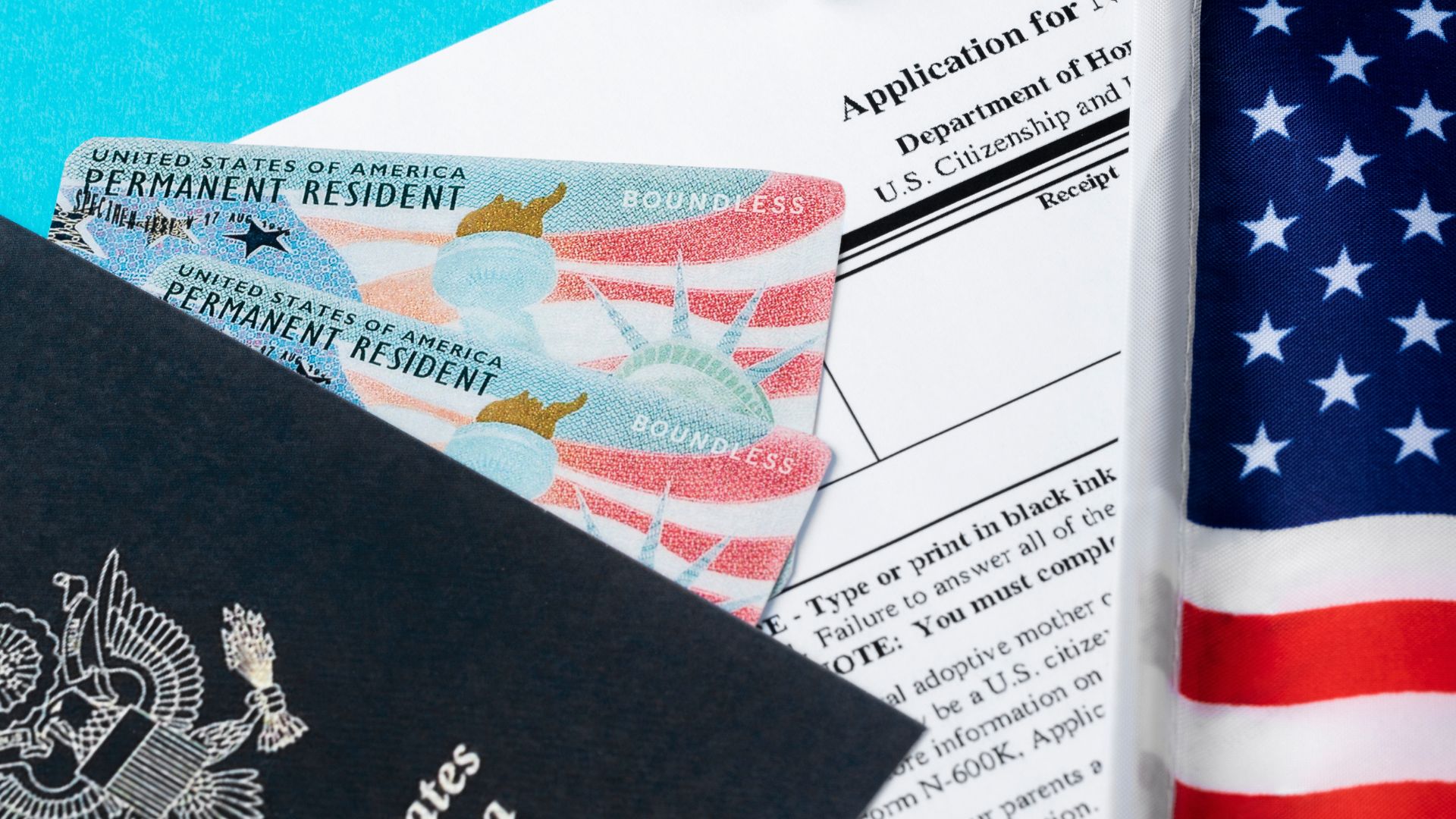
Form I-797 is neither a visa nor a green card. It’s simply a way for USCIS to communicate important updates about your case.
The purpose of Form I-797 is to keep you in the loop about the progress of your L-1B visa application. It tells you when your application has been approved (or if something else is needed). This form helps you track your progress through the immigration system.
Additionally, depending on the version of the I-797 you receive, it may contain different instructions on what to do next. USCIS communicates most of its major actions related to your L-1B visa application through Form I-797.
If you’re not sure what it means, let’s break it down, starting with the types of Form I-797.
Also Read: Transition from L-1B Visa to EB-1C Green Card: A Step-by-Step Guide
Types of Form I-797 and What They Mean for Your L-1B Application

Not all I-797s are created equal! Similarly, required actions are even different for each case. Knowing which one you’ve received and what action is required can save you time, money, and a lot of frustration.
Here’s a breakdown of the most common types of Form I-797 you may encounter during your journey:
1. Form I-797: Notice of Action
This is the basic version of Form I-797. It’s typically sent to confirm that USCIS has received your L-1B application. It’s not an approval or a rejection, but a simple acknowledgment that your petition is in the system.
What to do next: You can breathe easy for now, as your application is officially being processed. You may want to keep track of your receipt number, which will be included on this form, as it’s important for monitoring the progress of your case.
2. Form I-797A: Approval with I-94
Congratulations! This is the approval notice you’ve been waiting for. Form I-797A is issued when your petition for an L-1B visa is approved.
It also comes with an I-94 record, which is crucial because it officially authorizes your stay and work in the U.S. The I-94 is the document that tells you how long you can stay in the U.S., so it’s important to check the expiration date carefully.
What to do next: Make sure to track the expiration date on your I-94 and plan ahead for renewals or extensions. It shows that you’re authorized to work in the U.S. within the parameters of your approval.
3. Form I-797B: Petition Approval Without I-94
Form I-797B is issued when your L-1B petition is approved, but you are outside of the U.S. It could also mean that your status cannot be adjusted within the U.S.
This means you’ll need to complete consular processing and get a visa stamp at a U.S. consulate or embassy before re-entering the U.S.
What to do next: Schedule an appointment at the U.S. consulate in your home country to get your L-1B visa stamped in your passport. Only after obtaining the visa can you re-enter the U.S. under L-1B status.
4. Form I-797C: Receipt, Rejection, or Appointment Notice
This form serves several purposes. Most commonly, Form I-797C is sent to confirm receipt of your L-1B application (Receipt Notice). However, it can also indicate that your application was rejected or that an appointment is scheduled for biometrics or an interview.
This is the form that keeps you updated on the day-to-day actions related to your application.
What to do next: If it’s a receipt notice, you can relax and track your case. If it’s a rejection notice, check the reason and correct any issues as soon as possible.
If an appointment is scheduled, make sure to attend your biometrics or interview as instructed.
5. Form I-797E: Request for Evidence (RFE)
Form I-797E is one of the most important forms you could receive during your L-1B application process. Because it means USCIS needs more information to continue processing your application.
It’s a Request for Evidence (RFE), and it’s your chance to provide additional documentation to prove your eligibility for the L-1B visa.
What to do next: Review the RFE carefully. It will list exactly what USCIS needs from you and the deadline for submission.
Don’t ignore this form! Failure to respond correctly and on time could result in delays or a denial of your application.
6. Form I-797D: Sent with Your Green Card or EAD
Form I-797D is a cover letter that accompanies your physical green card or Employment Authorization Document (EAD) once it’s been approved. It’s just a confirmation that your actual benefit is enclosed, so you don’t need to take action. Keep this form for your records.
Since EAD authorizes you to work legally in the U.S., the value of it is immense. Also, a green card is usually the last stone you want to move while applying for the visa.
What to do next: Simply file this with your other immigration documents. No further action is required unless there’s an issue with your green card or EAD.
7. Form I-797F: Transportation Letter
This form is issued to lawful permanent residents who are outside the U.S. without their green card. If you’ve lost or misplaced your green card while traveling abroad, this form acts as a temporary travel document that allows you to board a flight back to the U.S.
What to do next: Keep this form with you when traveling. However, it’s important to note that this does not guarantee re-entry into the U.S. The final decision rests with U.S. Customs and Border Protection (CBP) when you arrive at the port of entry.
If you’re feeling uncertain about your Form I-797 for L-1B, The Law Offices of Sweta Khandelwal are here to guide you every step of the way.
Missing a deadline could put your status in jeopardy, and the last thing you want is a lapse in your visa validity. So, in the next section, we’ll show you why tracking your I-797 expiration date is so crucial.
How to Track Your L1B Petition Status Using Form I-797?
One of the first things you should do when you receive your Form I-797C is to look for the 13-digit receipt number. This number is essential. It allows you to check the status of your petition through USCIS’s Case Status Tracker.
Here’s how you can do it:
1. Find your 13-digit receipt number on the Form I-797C notice.
2. Go to the USCIS Case Status Tracker and enter your receipt number (without dashes or spaces).
3. Click “Check Status” to view the most recent updates on your L1B petition, including approval status, additional requests for evidence, or any delays.
It’s vital that you regularly track your case to stay updated on any important changes. If you’re nearing the expiration date on your Form I-797, it’s essential to plan ahead for renewals or extensions. To prevent any disruptions in your stay or employment:
- Start planning for your renewal or extension early. You’ll want to initiate the process well before the expiration date approaches to ensure there is no gap in your visa status.
- Monitor your I-94 closely. The I-94 expiration date is often tied directly to your ability to stay and work in the U.S. Don’t assume that the date on your visa stamp or other documents is the same. It’s the I-94 that truly determines your legal status.
The key takeaway? A proactive approach ensures you never fall behind and keeps your work authorization intact and legal.
Read Also: L-1 Visa Dual Intent and Green Card Transition Process
Tracking your Form I-797 and staying ahead of expiration dates are key components to a successful L-1B visa process. However, what happens if you suddenly find yourself in the unfortunate situation where your Form I-797 goes missing?
Losing such an important document could create unnecessary stress, but the good news is that it can be resolved.
What to Do if You Lose Your Form I-797 During the L-1B Visa Process?
Disaster might happen when your Form I-797 goes missing. We understand that it’s a stressful situation, but it can be managed. Instead of panicking, here’s what you can do:
Step 1: Contact USCIS for a Replacement
The first thing you should do is contact USCIS. They can sometimes issue a replacement notice, depending on the type of form lost and how recently it was issued. While this is the easiest route, it’s important to note that it may take some time for USCIS to process your request.
To contact USCIS:
- Dial 800-375-5283 (TTY 800-767-1833) and ask your question in English or Spanish.
- Explain the situation and request a duplicate Form I-797.
Step 2: File Form I-824 to Request a Duplicate
If contacting USCIS directly doesn’t work or if the form cannot be replaced easily, the next step is to file Form I-824.
This form is an application for action on an approved application or petition, and it’s used to request a duplicate copy of Form I-797.
When filing Form I-824:
- Be sure to include all required documentation and information about your L-1B case.
- Pay any applicable fees, as required by USCIS.
Step 3: Keep Copies of Your Form I-797 for Future Reference
The best way to prevent delays in the future is to keep copies of your Form I-797. Always make digital and physical copies of all critical documents when you receive them.
Store these copies in a safe place and ensure they are easily accessible in case anything gets lost in the mail or misplaced.
Lost your Form I-797 or facing delays in your L-1B process? Don’t let the stress overwhelm you. Contact the Law Offices of Sweta Khandelwal today for assistance in resolving your L-1B visa concerns.
Conclusion
You’ve made it through the complexities of the I-797 for the L-1B visa process. Now you’re equipped with the guidance to stay on top of every critical step. In your L-1B journey, every form, date, and detail matters.
From keeping an eye on your I-797’s expiration to preparing for the next step in your application, you don’t have to handle this alone. Taking action early ensures that you’re always ahead of the complexity.
Need help understanding your Form I-797? The Law Offices of Sweta Khandelwal are here to guide you every step of the way. Contact the Law Offices of Sweta Khandelwal today for expert advice customized to your Form-797 for L-1B visa needs. Don’t wait until it’s too late, get in touch with Sweta Khandelwal now to make sure you’re on the right path.
FAQs
1. What is an I-797 Approval Notice?
The I-797 Approval Notice is an official communication from USCIS that confirms the approval of a petition or application, such as an L-1B visa.
2. Can I download the I-797 form online?
The I-797 form itself is not available for direct download. You’ll receive it by mail from USCIS once they take action on your petition or application.
3. How can I get a copy of my I-797 online?
You cannot get a physical copy online, but you can check your case status and updates using your receipt number through the USCIS Case Status Tracker.
4. Where can I find a sample of the I-797 Approval Notice?
A sample of the I-797 Approval Notice can be found on various immigration-related websites or by consulting your immigration attorney for a real example.
5. What happens after receiving the I-797 Approval Notice?
After receiving your I-797 Approval Notice, you’ll either proceed with the next steps, like consular processing for a visa, or begin working based on your approval, depending on the visa type.


