

You’re sitting at your desk, phone in hand, eagerly waiting for that email from USCIS. The one that confirms your work permit or green card has been approved. You open the email, and there it is: your new Employment Authorization Document (EAD) has been issued.
But wait, there’s a number on it. It’s your EAD number, and it’s crucial to your future in the U.S. What does it mean? How does it tie into everything else you’ve been working toward? What happens if you lose track of it or get it wrong?
In this blog, we’ll uncover the hidden significance behind the EAD number. Trust us, missing out on understanding this could lead to unnecessary delays, confusion, or even missed opportunities in your process. So, keep reading, because the answers you need are just ahead.
TL;DR
- EAD Number is a unique identifier tied to your Employment Authorization Document. It is essential for proving your legal work status in the U.S.
- From initial approvals to renewals and replacements, understanding which EAD type you need is key to staying compliant.
- Asylees, refugees, F-1 students, and certain nonimmigrant visa holders need an EAD, while others, like Green Card holders, don’t.
- Employers must regularly check the Status Change Report to ensure their employees’ EADs are valid, especially when revocations occur.
What is Your EAD Number and Why is It Important?
The EAD number is a unique identifier assigned to individuals who have been granted permission to work in the United States. It’s directly tied to your Employment Authorization Document (EAD). This is typically issued by the U.S. Citizenship and Immigration Services (USCIS).
At its core, the EAD (Form I-766) is an official document issued by USCIS. This number helps the government track and manage your work authorization status, making it crucial for your employment and legal standing.
So, why does this number matter? From getting a job to renewing your work authorization, your EAD number is often required at every step. It’s used by employers, government agencies, and even other legal entities to verify your right to work.
Let’s break down some of the key ways your EAD number plays an integral role in your journey:
- Verifying Employment Eligibility: Employers use this number to complete the required Form I-9 and confirm that you’re eligible for employment.
- Tracking Your Work Authorization Status: From applying for a job to filing taxes, your EAD number tracks your work authorization status and expiration.
- Handling Renewals and Extensions: The EAD number comes into play when you’re looking to renew or extend your work permit. You’ll need it to start the renewal process and keep your authorization active.
While it may seem like there’s just one kind of EAD, there are actually different types depending on your immigration status and needs.
Read Also: FY 2026 H-1B Registration Deadlines and Updates
Types of EADs: Understanding Your Work Authorization Options
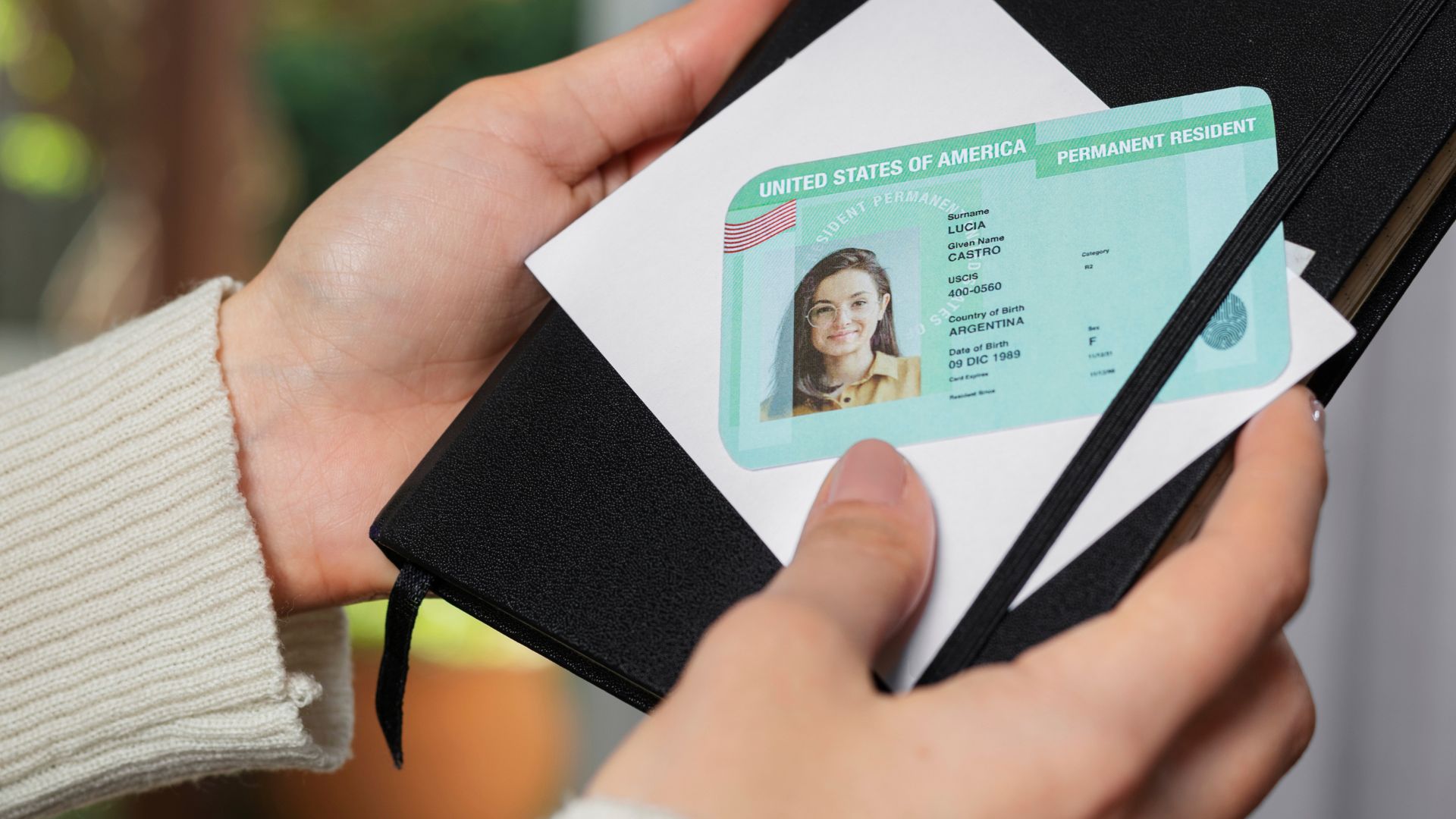
Depending on your situation, you could be applying for a first-time work permit or even replacing a lost or damaged card. But how do you know which type of EAD you need, and why does it matter?
Below, you can find your answer:
- Initial EAD: This is the first EAD you receive, issued when you apply for work authorization based on a specific immigration status. For example, a student visa holder applying for Optional Practical Training (OPT).
It’s the first step toward gaining lawful employment in the U.S.
- Renewal EAD: As the name suggests, this EAD is issued when your initial EAD is nearing expiration. The renewal process ensures you maintain your ability to work in the U.S. without interruption.
Just remember, it’s typically best not to file for renewal more than 180 days before your current EAD expires to avoid potential issues.
- Replacement EAD: If your original EAD is lost, stolen, or damaged, you’ll need to apply for a replacement. Additionally, if there’s an error on your card, you’ll need to request a replacement EAD through USCIS. Common mistakes include a misspelled name, incorrect birthdate, etc.
Have questions about which EAD type you need? Reach out to The Law Offices of Sweta Khandelwal today.
Your work permit can have high stakes for your path toward employment in the U.S. So, knowing whether you need an EAD is just as crucial as applying for one.
Who Needs an EAD When?
The moment you receive your EAD card, it’s like you’ve been handed a world of opportunities. But what if you’re unsure whether you actually need one?
Not everyone in the U.S. needs an EAD, and it all depends on your immigration status or visa type.
Who Needs an EAD?
To stay compliant with U.S. immigration laws, certain individuals must apply for an EAD to legally work in the country. Let’s take a closer look at who needs this important document:
- Asylees and Refugees: If you’ve been granted asylum or refugee status, you’re eligible for an EAD. It allows you to work while you await the adjustment of your permanent status.
- F-1 Students: If you’re an F-1 student on Optional Practical Training (OPT), an EAD is required to work legally in the U.S. You may also need it if you have approval to work off-campus due to severe economic hardship.
- Nonimmigrant Visa Holders: Some visa holders, like those on H-4 or L-2 visas, may need to apply for an EAD to work in the U.S.
Who Doesn’t Need an EAD?
In some cases, your immigration status automatically grants you permission to work. Here’s who doesn’t need an EAD:
- Lawful Permanent Residents (Green Card Holders): If you’re a Green Card holder (Form I-551), your card itself serves as proof of your employment authorization.
- Nonimmigrants with Automatic Work Authorization: Certain visa holders, like those on H-1B, L-1, O, or P visas, already have work authorization built into their status.
So, before applying for an EAD, check your application carefully. The next critical piece is understanding how to handle the application process itself.
Read Also: Differences Between O-1A and O-1B Visa: Criteria and Requirements
The Application Process: From Start to Finish
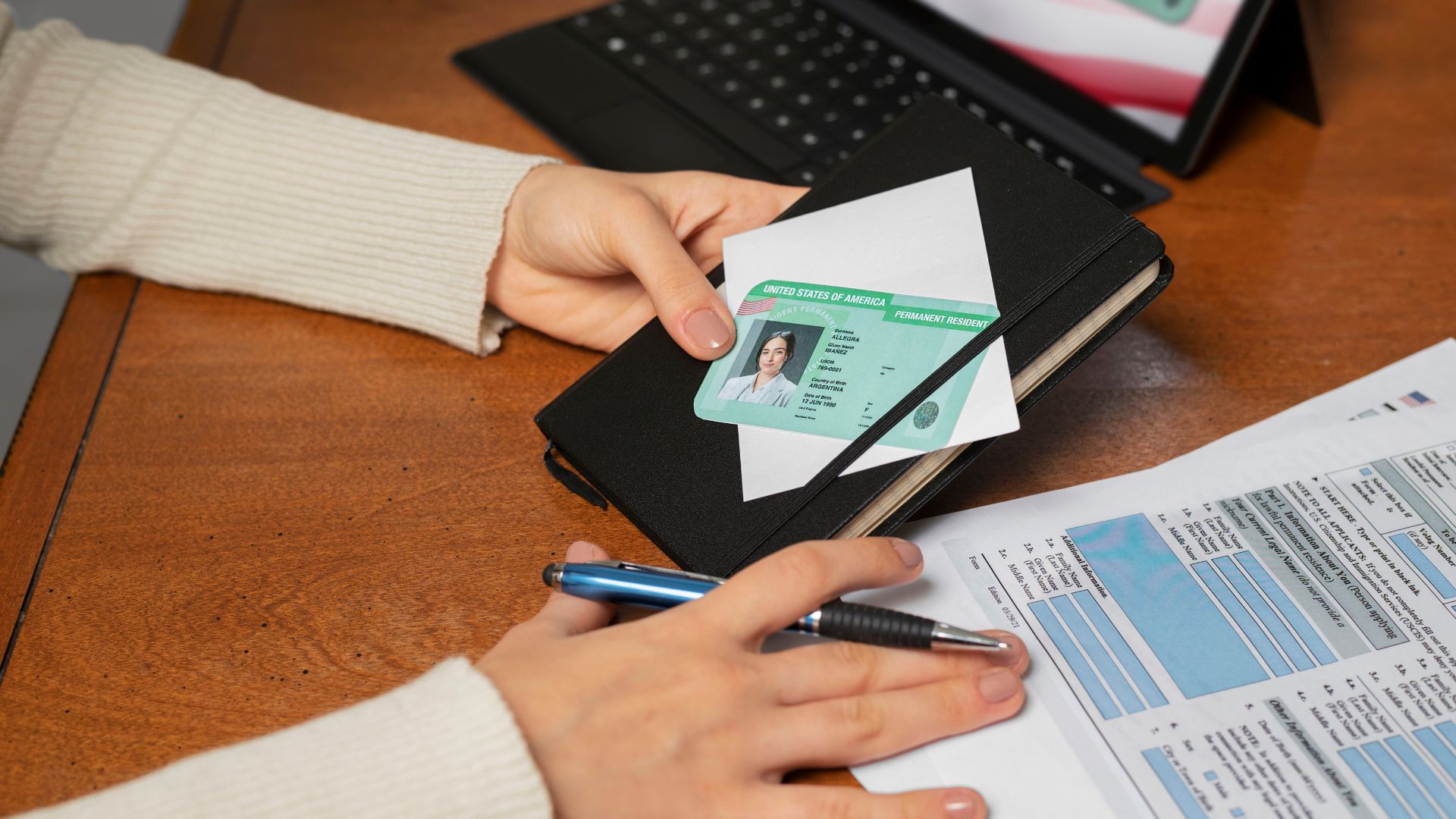
To apply for an EAD, you’ll need to complete Form I-765, the Application for Employment Authorization. This form is where you’ll select your eligibility category, which can range from asylees to students.
Choosing the right category is crucial because it ensures USCIS processes your application accurately and efficiently. If you make a mistake, delays or complications could arise, so take your time to review the options carefully.
Once you’ve completed Form I-765, USCIS will determine whether you qualify for work authorization.
However, that’s not the end of your EAD journey. Keep in mind that your EAD has an expiration date, and depending on your situation. You may need to apply for a renewal or a replacement EAD.
Confused about your EAD application or renewal process? Contact the Law Offices of Sweta Khandelwal, as our experienced team can ensure your paperwork is completed correctly and on time.
It’s frustrating to receive your EAD, only to discover that there’s a mistake on it. But don’t worry, correcting these errors is more straightforward than you might think.
EAD Correction Due to USCIS Error
Errors made by USCIS, like misspelled names or incorrect details, are more common than you might think. If you’ve found an error on your EAD, don’t panic, we’ll show you exactly what to do next.
From returning your card for corrections to ensuring you get a replacement if necessary, we’ve got you covered.
Once you’ve identified that the error is due to USCIS, you’ll need to take the following steps to get it corrected:
1. Make a photocopy of your EAD: Before you send your EAD back to USCIS, it’s essential to make a copy for your own records. This way, you’ll have documentation in case any issues arise during the correction process.
2. Return the EAD to USCIS: USCIS requires that you return the original EAD card to them for correction. Follow the instructions on the USCIS website to ensure you return it to the correct address.
Be sure to include any required documentation that explains the error.
3. Timeline for Correction: Once USCIS receives your EAD, they will process the correction. Expect to receive your corrected EAD within 30 to 45 days.
During this time, it’s essential to keep a copy of your EAD handy, as you may need it to prove your employment authorization.
Replacement of Lost, Stolen, or Mutilated EADs
What if your EAD is lost, stolen, or damaged? Unfortunately, this can happen, but the process for obtaining a replacement is straightforward. Here’s what you can do:
1. Requesting a Replacement: You must file a new Form I-765, just like you did when applying for your original EAD.
2. Filing Form I-765: Mark the appropriate box indicating that you’re applying for a replacement. Along with the form, you may need to provide proof of the situation.
For example, you can include a police report for a stolen card.
3. Pay the Filing Fee: You’ll need to pay the USCIS filing fee unless you qualify for a fee waiver. This is required for replacement applications, as USCIS treats them as a new application.
EAD Lost in the Mail (USPS Error)
Sometimes, things go wrong even when you’ve done everything right. If your EAD is marked as “mailed” in the USCIS case status system, but you have never received it.
It’s possible that it was lost in the mail or undeliverable by the U.S. Postal Service (USPS).
Here’s what to do if USPS is responsible:
1. Check the Tracking Information: If you’ve registered with USCIS, you can access tracking details for your mailed EAD through your USCIS account.
If the tracking shows “delivered” but you didn’t receive it, you’ll need to contact USPS to locate the mail.
2. Contact USPS for a Letter of Confirmation: If USPS confirms that the EAD was lost, you must obtain an official letter on USPS letterhead.
3. Request a Replacement: After receiving the letter from USPS, you can submit it along with your request for a replacement EAD. USCIS will issue a new EAD at no additional cost, provided USPS is at fault.
If the tracking shows “undeliverable,” this means the USPS attempted to deliver the EAD but couldn’t.
In this case, USCIS may return the card to them, and you can request that the EAD be sent to you again.
Resolving Issues Related to Undelivered EADs
If your EAD is undelivered or lost by USPS, the process for resolution includes contacting both USCIS and USPS:
- Contact USCIS: If you have not received your EAD, you can file a USCIS Case Inquiry to request that they resend the card.
Be sure to provide all the relevant details and documents, including any USPS confirmations of the loss.
- Contact USPS: In some cases, USPS may still be able to track down the mail. If they’re unable to locate it, you will have to proceed with requesting a replacement EAD, following the steps outlined above.
If you’re managing a workforce, ensuring the validity of an EAD is just as important as issuing a correct EAD.
Also Read: EB-2 NIW Visa Processing Time and Application Preparation
E-Verify Guidance for Employers

Employer’s responsibility extends beyond initial hiring to the ongoing verification of work authorization status.
Understanding how to use E-Verify properly and what to do when EADs are revoked is a key component of compliance:
Regular monitoring of your employees’ EAD status is vital. Employers should not wait until a problem arises to check an employee’s work authorization status.
If you find out that one of your employees’ EADs has been revoked, you must reverify their employment authorization. The process of reverification is straightforward, but it must be done promptly to ensure you remain compliant with immigration laws.
Here’s what you need to do:
- Step 1: Check the Status Change Report in E-Verify to confirm the EAD revocation.
- Step 2: Use Form I-9 Supplement B to begin the reverification process. Supplement B is used specifically for verifying employees whose EADs have been revoked.
Make sure you gather the necessary documentation from the employee to confirm their continued eligibility to work.
- Step 3: Complete the reverification within a reasonable time frame, as failure to do so could result in penalties.
While re-verifying employees is essential when an EAD has been revoked, there are situations when you don’t need to re-verify.
Specifically, if the employee provides alternative documentation, such as a valid List A or List C document. These also support employees to legally work in the U.S.
If the employee’s status has not changed, don’t overcomplicate the process by requesting unnecessary documentation. Always respect the employee’s right to choose which documentation they present as long as it confirms their eligibility.
Important Notes for Employers
There are a few critical things to keep in mind as an employer using E-Verify:
- Procedures for E-Verify Employers: If an employee’s EAD has been revoked by DHS, it’s your responsibility to check the Status Change Report. The reverification process is necessary to comply with immigration regulations.
Otherwise, an employer can face huge losses.
- Role of E-Verify Employer Agents: If you’re working with an E-Verify Employer Agent, they play an essential role in helping you manage these cases. An Employer Agent can assist you in generating the Status Change Report, ensuring that your business stays compliant with USCIS rules.
If you’re unsure how to handle the complexities of E-Verify, Sweta Khandelwal is here to guide you.
Conclusion
You’ve gained a clear understanding of your EAD number by now. Recognizing nuances, like when to reverify employees or handle revoked EADs, ensures smooth operations.
Proper management of EAD revocations can prevent compliance issues and avoid unexpected setbacks in employment.
If you’re ready to ensure your EAD application, Contact the Law Offices of Sweta Khandelwal for expert guidance. For employers looking to confidently manage E-Verify compliance, Sweta Khandelwal can provide practical, actionable support to your business. If you have any lingering questions about your employment eligibility, don’t hesitate to reach out to The Law Offices of Sweta Khandelwal.
Frequently Asked Questions (FAQs)
1. What is the difference between an EAD number and an A-number?
The EAD number is unique to your Employment Authorization Document and is used to identify the card itself. On the other hand, the A-number (Alien Registration Number) identifies you as an immigrant in the USCIS system.
Both numbers appear on your EAD card but serve different purposes: one tracks the document, the other tracks the individual.
2. Can H-1B visa holders get an EAD number?
Typically, H-1B holders do not require an EAD to work since their status automatically authorizes employment for the sponsoring employer.
However, dependents of H-1B holders on H-4 visas may apply for an EAD. In that case, a separate EAD number will be issued on their Form I-766.
3. What are the main EAD categories?
EADs are issued under various eligibility categories, including: asylees, refugees, F-1 students on OPT, H-4 or L-2 visa dependents, etc. The correct category must be selected on Form I-765 to ensure proper processing.
4. How do I renew my Employment Authorization Document?
To renew your EAD, file Form I-765 again before your current card expires (ideally up to 180 days in advance).
Pay the required filing fee unless eligible for a waiver. Employers must also reverify your employment eligibility if your EAD status changes during the renewal process.


