

A spouse green card is a crucial step for couples wanting to live together permanently in the United States. It allows the foreign-born spouse to work, travel, and build a life alongside their U.S. citizen or permanent resident partner.
Despite its importance, the process can feel overwhelming; there are forms, interviews, and strict documentation requirements, leaving many applicants unsure where to start. Navigating the system without guidance can be confusing and stressful.
This article breaks down the marriage green card process into clear, manageable steps, so you can approach it confidently and take the right actions at the right time.
Key Takeaways:
- A marriage-based green card lets lawful permanent residents and U.S. citizens apply for their spouse to join them in the country.
- Proving a bona fide marriage with strong documentation is essential for approval.
- The process involves filing Form I-130, Form I-485 (if in the U.S.), and attending an interview.
- Conditional (2-year) vs. permanent (10-year) green cards depend on marriage length at approval.
What Is a Marriage Green Card?
A marriage green card allows a foreign spouse of a U.S. citizen or lawful permanent resident to live and work permanently in the United States. This pathway is part of the family-based immigration system, which prioritizes close family relationships. The foreign spouse must be legally married to the sponsor and meet other admissibility requirements to be eligible.
A marriage-based green card gives the spouse of a U.S. citizen or permanent resident the right to live and work in the country on a permanent basis. It falls under the family immigration category, designed to keep immediate relatives together. To qualify, the couple must have a valid marriage and the applicant must meet standard eligibility rules.
Why Is It Important?
Applying for a marriage green card represents a major move toward lawful permanent residency in the U.S. It provides the foreign spouse with the legal right to live and work in the U.S., access to social services, and the ability to travel in and out of the country. After three years of permanent residency, a spouse married to a U.S. citizen may be eligible to apply for naturalization.
Although the process may seem complicated, knowing the key requirements and stages makes the path to permanent residency clearer. Still, not every spouse is eligible, as the guidelines differ based on whether the sponsoring partner is a U.S. citizen or a lawful permanent resident.
So, it’s time to find out exactly who qualifies for a spouse green card and what makes someone eligible.
Also read: H-4 to EB-5 Visa: Path to Green Card
Who Can Apply for a Marriage Green Card?
Securing a marriage green card hinges on the status of the sponsoring spouse and meeting specific eligibility criteria.
U.S. Citizens
U.S. citizens can sponsor their foreign-born spouses for a marriage-based green card. This category is classified as “immediate relatives,” meaning there are no annual limits on the number of visas available. This often leads to a quicker processing time compared to other categories.
Lawful Permanent Residents (Green Card Holders)
Lawful permanent residents (LPRs) can also sponsor their spouses. However, spouses of LPRs are classified within the family preference system, where visas are limited by yearly quotas. Consequently, there may be a waiting period before a visa becomes available.
Eligibility Criteria
To apply successfully for a marriage green card, an applicant must meet specific requirements:
- Valid, Legal Marriage: The marriage must be legally recognized in the jurisdiction where it occurred.
- Proof of Bona Fide Relationship: Applicants must provide evidence that the marriage is genuine and not entered into for immigration purposes.
- No Disqualifying Criminal History: Certain criminal convictions may render an individual inadmissible to the United States. Applicants must ensure they do not have a criminal history that disqualifies them.
Understanding these eligibility requirements is crucial before initiating the application process.
Contact the Law Offices of Sweta Khandelwal today to schedule a consultation and get personalized advice for your specific immigration situation.
However, meeting the basic eligibility requirements is just the beginning. One of the most important steps in the marriage green card process is proving that your marriage is genuine.
Proving a Bona Fide Marriage

Once eligibility is established, demonstrating the authenticity of the marriage becomes paramount. Citizenship and Immigration Services (USCIS) requires compelling evidence to prove that the relationship is real and wasn’t created just for immigration purposes.
Documentation
To substantiate the legitimacy of the marriage, consider providing:
- Joint Financial Records: Bank statements, tax returns, or credit card statements showing both spouses’ names.
- Shared Living Arrangements: Lease agreements, utility bills, or insurance policies listing both spouses at the same address.
- Photographs and Correspondence: Pictures from various occasions and copies of letters or messages exchanged between the spouses.
Tips
- Maintain Organized Records: Keep a dedicated file with all relevant documents to ensure easy access when needed.
- Be Honest and Consistent: Ensure all information provided is truthful and consistent across all forms and interviews.
By presenting comprehensive and organized evidence, couples can effectively demonstrate the authenticity of their marriage, facilitating a smoother green card application process.
With all the requirements sorted, it’s time to walk through the step-by-step application process to make everything clear and manageable.
The 3-Step Marriage Green Card Process

The application is divided into three main stages, each with its own forms, documents, and review process. Understanding these steps will help you prepare thoroughly and avoid delays.
Step 1: Petition for Alien Relative (Form I-130)
This form establishes the legitimacy of the relationship between the petitioner (U.S. citizen or green card holder) and the foreign spouse.
- Process: Submit Form I-130 to USCIS, along with proof of marriage and evidence of your spouse’s U.S. citizenship or lawful permanent residency.
Please note that approval of this petition alone doesn’t grant any status; it simply opens the door to the next steps. For immediate relatives (spouses of U.S. citizens), visa numbers are always available, which speeds things up.
Step 2: Adjustment of Status (Form I-485) or Consular Processing
If the sponsoring spouse is in the U.S., they must file Form I-485 to adjust status to lawful permanent resident without leaving the country. If they are outside the U.S., they need to go through consular processing; USCIS sends the approved petition to the Department of State, and your spouse attends a visa interview at a U.S. consulate abroad.
Required Documents:
- Medical exam (Form I-693 and vaccination record)
- Affidavit of Support (Form I-864), showing financial ability to support the spouse
- Police certificates and other civil documents, as required by the embassy or USCIS
Step 3: Interview and Final Decision
Both spouses generally attend an interview, either with a USCIS officer or at a U.S. consulate. Expect questions covering daily routines, relationship history, and future plans.
Decision:
- Approval: Results in the issuance of either a conditional or permanent green card, depending on the length of the marriage.
- Denial: If the application is denied, there may be opportunities to appeal or reapply, depending on the reason.
Updated Forms You Need to Know
Immigration forms are regularly updated, and using the correct edition is essential. Here are the latest changes for key marriage green card forms:
- Form I-130 (Petition for Alien Relative): The current 04/01/24 edition remains valid, but with a few amendments. It now includes prominent warnings about marriage fraud and clearer reminders regarding consular processing options.
- Form I-485 (Adjustment of Status): A newer 01/20/25 edition is now in effect. Beginning April 3, 2025, USCIS accepts only this updated version.
Submitting an outdated form, even one that looks nearly identical, can result in rejection or a request for resubmission. Always check the edition date at the bottom of the form and confirm on the USCIS website whether it’s still acceptable. When in doubt, choose the newest officially acknowledged version.
Keeping up with the latest USCIS form editions and requirements can feel complicated. The Law Offices of Sweta Khandelwal can help ensure you’re using the correct forms, meeting deadlines, and submitting a complete package that reflects the strength of your case.
Once the application process is complete, the main task left is waiting for a decision. So, let’s take a look at how long you can expect it to take.
Timeline Overview
Understanding how long each stage of the marriage green card process takes can help manage your expectations and reduce stress. Here’s how the timeline typically unfolds, and what can affect it.
Processing Time
- Form I-130 (Petition for Alien Relative): The time for processing may vary considerably depending on your situation. For spouses of U.S. citizens (immediate relatives), the average wait is around 14.8 months in fiscal year 2025. For spouses of green card holders (F2A category), it can stretch much longer, even several years.
- Form I-485 (Adjustment of Status): If you’re already in the U.S., typical processing times are around 8–9 months. As soon as you file, you’ll usually receive a receipt notice in a few weeks; that’s your signal to start tracking your case.
Factors Affecting Timeline
- Service Center Workload: Processing can vary depending on the USCIS center handling your case. Some centers are faster, others have longer backlogs.
- Completeness of Your Application: Missing information or documents can trigger Requests for Evidence (RFEs), causing delays.
- Interview Scheduling: Timing for biometric and in-person interviews can vary based on local USCIS office capacity, which affects overall processing time.
If you’re eager to minimize waiting periods, it helps to stay organized, watch for updates on processing times, and be prepared to respond quickly to any USCIS requests. At this point, you’ve done your part; now it’s simply a matter of waiting for the decision.
So, while you wait, let’s take a look at the type of green card you’ll actually be issued.
Also read: How to Expedite your Pending I-485 via Mandamus
Conditional vs. Permanent Green Cards
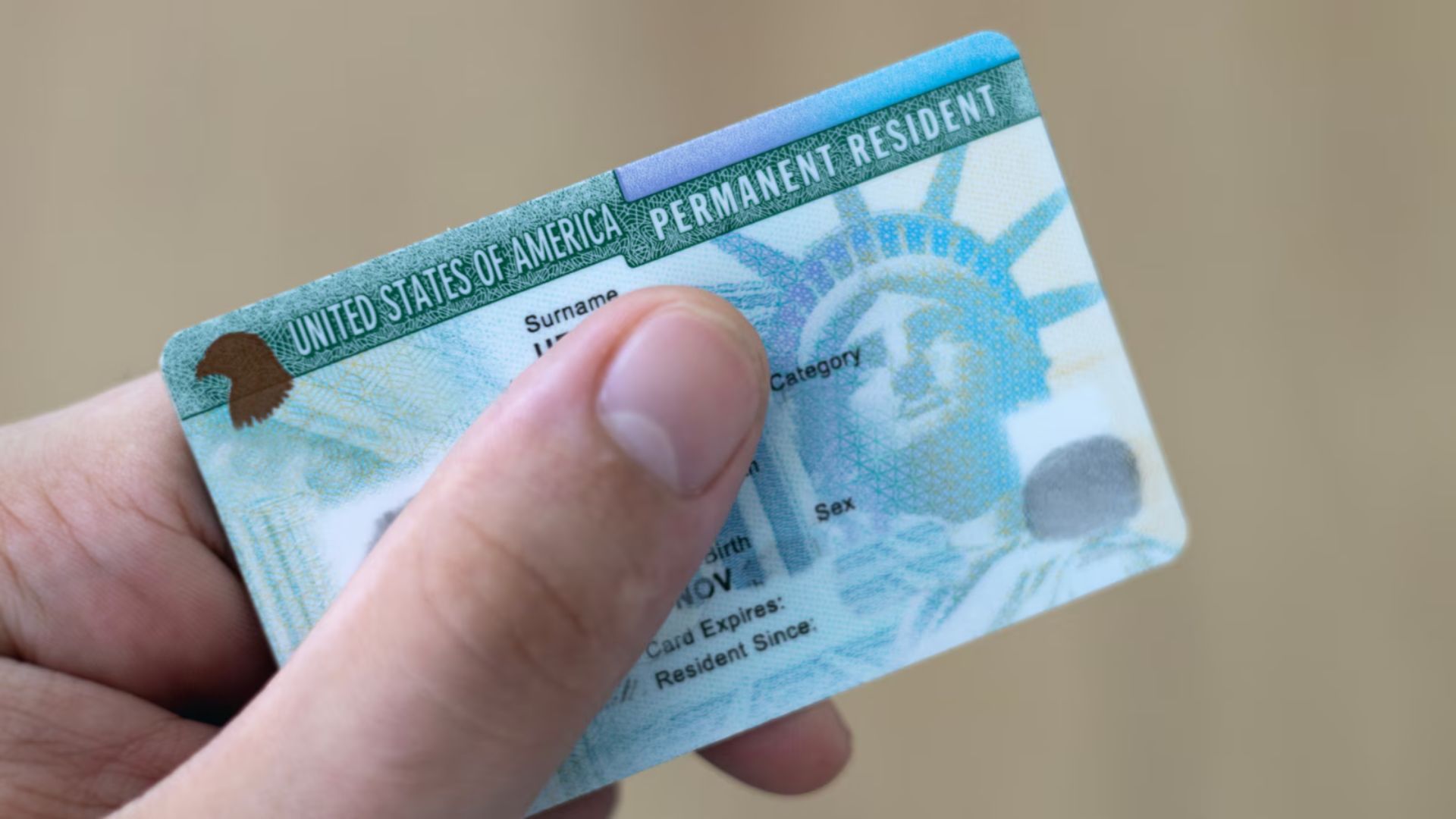
Once your application is approved, your type of green card depends on how long you and your spouse had been married at the time of approval. Let’s explore the two possible scenarios:
Conditional Green Card (CR-1 / CR Status)
If your marriage was less than two years old when your green card was granted, USCIS gives you conditional permanent resident status.
- Validity Period: The green card is valid for two years and cannot be renewed.
- What’s Next: Within the 90-day window before your card expires, you and your spouse must file Form I-751, Petition to Remove Conditions on Residence, to prove your marriage is genuine.
- Consequences of Delay: Failing to file on time can result in losing your resident status and potential removal proceedings.
Permanent Green Card (IR-1 / IR Status)
If your marriage was more than two years old at approval, you’ll receive a 10-year permanent green card; no conditional period applies.
- Validity Period: The card is valid for a standard 10 years.
- What’s Next: You can renew it simply by using Form I-90 when it nears expiration.
- Consequences of Delay: If the card expires and you haven’t filed a renewal, you may face challenges with work authorization, re-entry into the U.S. after travel, or renewing state-issued IDs such as a driver’s license. Lapses in maintaining a valid card could also affect your ability to apply for naturalization later.
Understanding whether you might be issued a conditional or permanent green card helps you stay ahead of renewal requirements and maintain your path toward U.S. citizenship without unnecessary setbacks.
However, even with careful planning, applicants often encounter challenges during the process. Let’s look at some common issues you may face and how to overcome them.
Common Challenges and How to Overcome Them
Navigating the marriage green card process comes with its own set of challenges. Understanding these hurdles ahead of time, and knowing how to sidestep them, can make a world of difference.
- Delays: USCIS processing times can vary widely depending on service center workload and broader policy shifts. While some applicants face delays due to center backlogs, others may stall because of incomplete or inconsistent filings.
- How to overcome: Keep tabs on your case status via the USCIS Case Processing Times tool and stay alert to any updates or changes in policies that might slow things down.
- Requests for Evidence (RFEs): An RFE is issued when USCIS needs additional documentation to make a decision, but it doesn’t mean your case is denied. However, failing to respond or sending inadequate or incomplete information can result in outright denial or abandonment.
- How to overcome: Respond promptly and completely, including any additional evidence that strengthens your case, even beyond what’s listed in the RFE.
- Denials: Denials can result from many issues, including a lack of a legal basis for approval, missing documents, mistakes, or insufficient proof of a genuine marriage. In some cases, USCIS may deny applications without issuing an RFE at all.
- How to overcome: Understand the reason for denial carefully. You may be eligible to file an appeal or motion using Forms like I-290B (Notice of Appeal or Motion) or EOIR-29, depending on the form and circumstances.
- Red Flags Triggering Extra Scrutiny: USCIS actively screens for signs of fraud, including very short courtships, inconsistent documentation, or major discrepancies in your story. Some cases may prompt a “Stokes Interview,” where spouses are questioned separately.
- How to overcome: Proactively bolster your application with clear, consistent evidence, like photos, joint records, shared leases and finances, and testimonials from friends or family.
- Background and Security Checks: FBI name checks and other security screenings are routine, but they can add significant delays, especially if bureaucratic hurdles or backlogs occur.
- How to overcome: Be patient, monitor the timeline, and, if the delay seems excessive, follow up with USCIS or consult legal counsel to inquire about your case.
By being proactive, thorough, and informed, and knowing when to seek legal advice, you can overcome these common pitfalls and stay on a smoother path toward approval and getting a green card.
Need help with your marriage-based green card process or guidance on making your application stronger? Connect with Sweta Khandelwal for trusted support every step of the way.
After Receiving the Green Card
Once the green card arrives, it opens the door to a new chapter. Here’s a look at what you can now do, and what you need to keep in mind.
Rights as a Permanent Resident
- Live and work in the U.S. permanently: As a lawful permanent resident, you can reside indefinitely in the U.S. and work in any legal position, though a few jobs still require U.S. citizenship.
- Travel abroad with a re-entry permit: Short trips typically don’t affect your status. But if you plan to be away for more than a year, you should apply for a re-entry permit (Form I-131) to demonstrate that your intention remains to reside in the U.S.
Responsibilities to Maintain Your Status
- Obey all U.S. federal, state, and local laws and file accurate tax returns with the IRS and relevant state authorities.
- Maintain your permanent residence status by not abandoning it. Extended absences, nonresident tax filings, or failing to hold a valid card can jeopardize your LPR status.
Path to U.S. Citizenship
- You gain eligibility for naturalization after three years if you’re married to and living with a U.S. citizen spouse and have maintained continuous residence as an LPR during that time.
- You must also meet criteria like being at least 18, demonstrating continuous residence and physical presence (at least 18 months in the past 3 years), living within the USCIS district for at least three months, having good moral character, and understanding English and U.S. civics.
By understanding your rights, fulfilling your responsibilities, and preparing for citizenship when the time comes, you’ll stay on track toward a more secure and permanent future in the U.S.
Conclusion
Applying for a marriage-based green card is a big step, one that can feel overwhelming at times. With patience, preparation, and the right guidance, you can move forward confidently toward building your life together in the U.S.
As you progress through the process, remember that setbacks are temporary and support is always available. And if the steps ever feel too complex, don’t hesitate to reach out for trusted legal assistance to guide you through with clarity and confidence.
For expert support, Contact the Law Offices of Sweta Khandelwal. Even if you only want reassurance that your case is moving in the right direction, The Law Offices of Sweta Khandelwal provides the guidance you need. Don’t take risks with your future; work with Sweta Khandelwal for experienced handling of your spouse green card application.
FAQs
1. How long does it usually take to get a marriage-based green card?
Processing times vary widely, typically between 12–24 months, depending on your case and USCIS workload.
2. Can I work while my marriage-based green card is pending?
Yes, but only with an approved Employment Authorization Document (EAD) filed alongside your green card application.
3. Is travel allowed while waiting for approval?
Only with Advance Parole. Traveling without it may result in abandonment of your application.
4. What happens if my spouse and I separate during the process?
Separation or divorce can jeopardize approval; consult an immigration attorney immediately for options.
5. Can same-sex couples apply for a marriage-based green card?
Yes. U.S. immigration law recognizes same-sex marriages equally for green card eligibility.


