

Receiving an I-751 RFE after waiting months can feel like a huge setback. The uncertainty about your status, the risk of delays, and the thought of a denial can be overwhelming.
Your spouse has started to ask: Will an interview follow? What if your spouse moved out recently, your address history doesn’t match earlier filings, or you simply did not submit enough joint financial proof the first time?
Many applicants reach this stage unsure of what to do now. But one doesn’t need to worry, as an I-751 RFE means USCIS needs stronger documentation to confirm eligibility before removing conditions on your residence, and how you respond can influence whether your case moves forward smoothly or faces additional scrutiny.
To deal with this situation, this guide explains what evidence you should submit now and when case-specific legal guidance becomes important before sending your response.
Key Takeaways
- Your conditional resident status remains extended while an I-751 RFE response is pending review, so employment and travel eligibility typically continue if you hold the extension notice with your green card.
- Your response must directly address the specific concerns listed in the RFE notice, not just include additional general relationship documents.
- Incomplete or unfocused responses can lead to interviews, further RFEs, or even denial, depending on whether eligibility questions remain unresolved.
- You can strengthen weak evidence after filing jointly, especially by submitting documents that show shared residence, finances, and relationship continuity across the entire marriage period.
- Whether to respond independently or seek legal guidance depends on your situation, particularly if your marriage circumstances changed after filing or your documentation timeline has gaps.
What an I-751 RFE Means for Your Green Card Case
Receiving an I-751 RFE does not mean your petition has been denied. It means officers review whether the relationship was entered in good faith and supported by consistent evidence across the entire conditional residence period. If something in the record appears incomplete, unclear, or limited to only part of the timeline, they pause adjudication and request additional proof before proceeding.
Common Reasons USCIS Sends an I-751 RFE:
1. Limited Joint Financial Documentation
Shared finances are one of the strongest indicators of a bona fide marriage. If your petition included only partial tax filings, a recently opened joint account, or separate financial histories with little overlap, officers may request stronger evidence of financial commingling across the full marriage period.
2. Missing or Inconsistent Shared Residence Evidence
Address mismatches between immigration forms, driver’s licenses, tax filings, or leases often trigger RFEs. Even when couples lived together, gaps in documentation can make the timeline unclear during review.
3. Relationship Timeline Gaps Across the Marriage Period
Submitting evidence concentrated near the filing date instead of covering the entire conditional residence period may lead officers to request additional documentation showing continuity over time.
4. Divorce-Based or Waiver Filings Requiring Additional Proof
If you filed under a waiver category after divorce, separation, abuse, or hardship, USCIS still evaluates whether the marriage originally began in good faith. These cases often require more structured supporting evidence than joint petitions.
5. Late Filing Without Supporting Explanation
When Form I-751 is filed outside the normal filing window without a documented reason, officers may request clarification and supporting records before continuing adjudication.
6. Does an I-751 RFE Put Your Conditional Resident Status at Risk?
Your conditional resident status generally remains extended while Form I-751 is pending. The extension notice issued after filing allows continued employment eligibility and supports travel with proper documentation. The key risk stage is responding without addressing the specific concerns raised. A structured response that matches the notice requests helps keep the adjudication process moving toward approval.
Also Read: Filing Form I-751, Petition to Remove Conditions on Residence Online
Your Step-by-Step Guide to Responding to an I-751 RFE
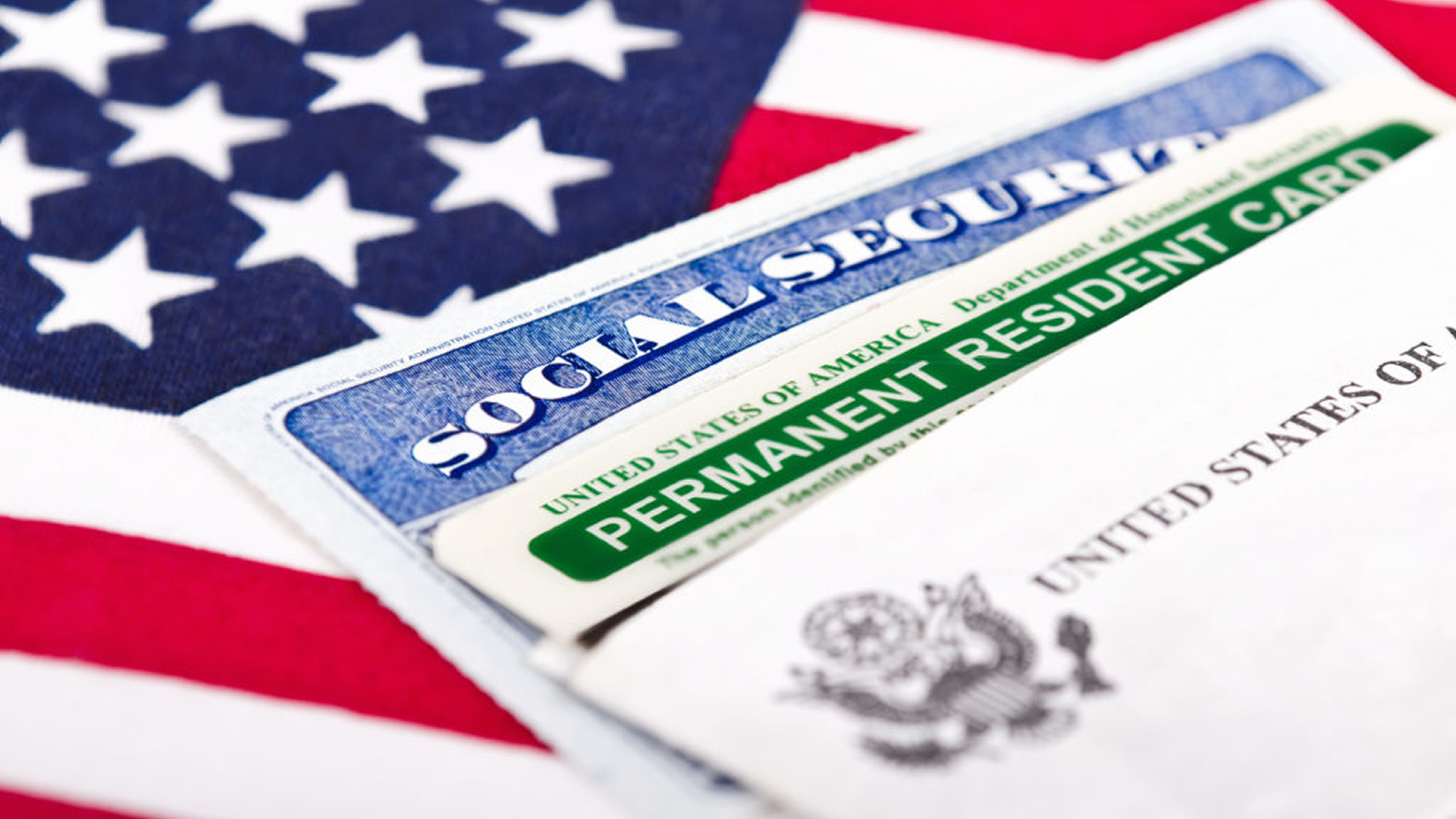
Responding to an I-751 RFE includes submitting the right evidence that resolves the exact concerns USCIS identified. A structured response helps officers determine whether your marriage meets the eligibility standard required to remove conditions on residence.
Step 1: Review the RFE Notice Line by Line
Each item listed in the RFE reflects a specific gap in the record. USCIS may be requesting proof of shared residence, joint finances, relationship continuity, or clarification about filing eligibility. Before preparing your response, identify what eligibility question each request is trying to resolve. Responding broadly without addressing those concerns can delay adjudication or lead to additional requests.
Step 2: Identify Exactly What Evidence USCIS is Asking For
Match each request to the appropriate category of supporting documentation. Residence-related requests usually require leases, utility statements, or address records. Financial commingling requests often involve tax filings, insurance policies, or shared accounts. If the petition was filed under a waiver category, USCIS may expect documentation showing the marriage began in good faith despite later changes in circumstances.
Step 3: Strengthen Weak Marriage Evidence After Filing Form I-751 Jointly
An RFE response allows you to supplement earlier submissions. If your original petition included limited documentation from the conditional residence period, you can provide additional records showing shared financial activity, housing history, or relationship continuity across the entire marriage timeline.
If your marriage circumstances have changed since filing or if you’re unsure about the documents you should submit, working with an immigration attorney can prevent costly mistakes. The Law Offices of Sweta Khandelwal can help you ensure that your response is tailored to your unique case.
Step 4: Organize the Response So Officers Can Review It Efficiently
Group documents by category and label them clearly. Include a short explanation connecting each set of records to the request in the notice. When evidence is presented in a structured way, it becomes easier for officers to evaluate eligibility without requesting clarification again.
Step 5: Submit the Response Before the Deadline Listed in the Notice
The response deadline printed on the RFE notice must be followed strictly. If USCIS does not receive a response within that period, the petition may be denied for abandonment even when eligibility requirements were otherwise satisfied.
The response window is always listed in the RFE notice and varies by case. Applicants should rely on the date printed on the notice rather than assumptions about standard timelines. Missing the RFE response deadline could result in the abandonment of your petition, potentially jeopardizing your conditional resident status and delaying your green card approval.
What to Expect After Submitting Your I-751 RFE Response
After you submit your response, U.S. Citizenship and Immigration Services resumes reviewing whether the additional documentation resolves the concerns identified in your petition. The outcome depends on how clearly your evidence demonstrates that the marriage meets eligibility requirements for removing conditions on residence.
Approval Without an Interview
If the response provides consistent proof of shared residence, financial commingling, and relationship continuity across the marriage period, officers may approve Form I-751 without scheduling an interview. This usually happens when the updated record satisfies the evidentiary standard needed to confirm the marriage was entered in good faith.
When USCIS Schedules an Interview After an RFE
An interview may be scheduled if documentation still leaves unanswered questions about timeline gaps, address inconsistencies, or relationship credibility. In these situations, officers rely on testimony to clarify details before making a final decision.
What Happens If the I-751 RFE Response Does Not Address USCIS Concerns
If important issues remain unresolved, USCIS may issue another RFE, send a Notice of Intent to Deny (NOID), or deny the petition. The outcome depends on whether the submitted evidence sufficiently addresses the specific concerns raised earlier.
Does an I-751 RFE Extend Processing Time for Removal of Conditions
Yes. Adjudication typically pauses while officers review the additional submission. Processing continues only after the response is received and evaluated, which can extend the overall timeline of the removal-of-conditions process.
Also Read: Why Your I-751 Status Isn’t Showing and What You Can Do About It?
Common Mistakes to Avoid When Responding to an I-751 RFE
If you plan to file Form N-400 while Form I-751 remains pending, U.S. Citizenship and Immigration Services usually reviews the removal-of-conditions petition first before approving naturalization. If an I-751 RFE is still unresolved, officers may delay scheduling the naturalization interview or pause adjudication until the eligibility questions in the pending petition are clarified. Responding carefully at the RFE stage can help prevent later delays in the citizenship timeline.
1. Sending More Documents Without Addressing USCIS Questions
Submitting large volumes of unrelated evidence does not resolve eligibility concerns if the response does not match the specific issues listed in the notice. Officers evaluate whether the new material explains timeline gaps, shared residence history, or financial integration clearly.
2. Submitting Evidence From Only One Period of the Marriage
Evidence concentrated near the filing date often leads to additional review. USCIS expects documentation covering the entire conditional residence period to confirm relationship continuity.
3. Ignoring Waiver-Specific Documentation Requirements
Divorce-based or hardship waivers require proof that the marriage began in good faith, even if it later ended. Responding without addressing this requirement can lead to additional requests or denials.
Before submitting your response, contact the Law Offices of Sweta Khandelwal to review your documentation strategy.
I-751 RFE Response Checklist Before You Submit Your Packet
Use this checklist to confirm your response addresses what U.S. Citizenship and Immigration Services is actually reviewing, not just what you think supports your marriage.
Checklist 1: Did You Answer Every Item in the RFE Notice?
☐ Each request in the RFE is addressed separately
☐ Documents are grouped under matching request categories
☐ A short explanation connects each document to the issue raised
☐ No requested category is left unanswered
Checklist 2: Does Your Evidence Cover the Entire Marriage Timeline?
☐ Evidence from the early marriage period included
☐ Evidence from mid-period conditional residence included
☐ Recent shared records included
☐ Address history is consistent across filings and documents
Checklist 3: Did You Include the Right Type of Evidence for the Concern Raised?
☐ Shared residence proof (leases, utilities, address records) included if requested
☐ Financial commingling evidence included where relevant
☐ Tax returns submitted jointly when available
☐ Insurance or beneficiary records included where possible
Checklist 4: If Filing Under a Waiver Category, Did You Add Good-Faith Marriage Evidence?
☐ Divorce decree or supporting waiver documentation included
☐ Evidence from the period before separation provided
☐ Relationship timeline explained clearly
Checklist 5: Did You Prepare the Response in a Reviewable Structure?
☐ Cover letter referencing the RFE notice included
☐ Exhibits labeled clearly
☐ Evidence arranged in the same order as the RFE requests
☐ Deadline listed in the notice confirmed before mailing
Conclusion
Applicants often prepare responses on their own when the RFE requests clearly identifiable records, such as additional joint tax returns or missing financial documents from the conditional residence period. If your marital situation has not changed and the notice simply asks for stronger continuity evidence, a structured response addressing each item listed may resolve the issue without further complications.
If you are unsure what evidence USCIS expects, contact the Law Offices of Sweta Khandelwal for case-specific guidance. It may be that your marriage circumstances have changed after you filed Form I-751. Schedule a consultation with the Law Offices of Sweta Khandelwal before submitting additional documentation, or speak with Sweta Khandelwal to review your response strategy.
FAQs
1. Can I submit new marriage evidence that I did not include in my original Form I-751 filing?
Yes. An RFE response is your opportunity to strengthen the record with additional documentation covering earlier timeline gaps or missing categories, such as shared finances or residence proof. Officers review the entire updated submission, not only what you filed initially.
2. What if my spouse and I moved to different addresses after filing Form I-751 jointly?
You can still respond, but you should explain the timeline clearly and provide documentation covering the period when you lived together. If circumstances changed after filing, U.S. Citizenship and Immigration Services may evaluate whether the petition should continue jointly or under a waiver category.
3. Can affidavits replace missing joint financial documents in an I-751 RFE response?
Affidavits help support credibility, though they usually work best as supplementary evidence, not substitutes for financial or residence documentation. Strong responses combine affidavits with objective records whenever possible.
4. What happens if I cannot obtain one of the documents listed in the RFE notice?
Submit alternative records that demonstrate the same type of relationship activity and include a short explanation describing why the requested document is unavailable. Officers assess whether the substitute evidence still clarifies eligibility.
5. Will my extension of conditional residence remain valid while USCIS reviews my RFE response?
Yes. Your conditional resident status generally remains extended while Form I-751 is pending and under review after the response is submitted. Keep your extension notice with your expired green card as proof of status during this period.


