

When it comes to U.S. immigration, the EB-1 category is one of the fastest ways to secure a Green Card, but not all EB-1 paths look the same. Two of the most popular options, EB-1A and EB-1B, often get compared because they both skip labor certification and move quickly through processing.
Still, the differences in flexibility, sponsorship, and eligibility can make one a better fit than the other, depending on your background and goals. This article breaks down the key differences in plain language so you can see which path might work best for you.
Key Takeaways
- EB-1A allows self-petition but demands proof of extraordinary ability and recognition.
- EB-1B requires employer sponsorship and a permanent academic or research position.
- EB-2 NIW offers a lower bar and is useful as a backup option.
- Filing both EB-1A and EB-2 NIW can strengthen overall approval chances.
- Consulting an immigration attorney ensures the right strategy and fewer mistakes.
What are the EB-1A and EB-1B visas?

The EB-1A and EB-1B visas are part of the U.S. Employment-Based First Preference (EB-1) category, created for individuals who have reached exceptional levels of success in their fields.
- EB-1A (Extraordinary Ability): For people in areas such as science, arts, education, business, or athletics who have earned recognition for their outstanding achievements.
- EB-1B (Outstanding Professors and Researchers): For academics and researchers who are recognized internationally for their contributions and leadership in their field of study.
Depending on your career goals and the achievements you plan to highlight, one or even both options could be the right fit for you. This is why, for top professionals and academics, the EB-1 visa is a highly sought-after pathway to U.S. permanent residency.
To better understand which path fits your background, it helps to look at the eligibility requirements for EB-1A and EB-1B in more detail.
Contact the Law Offices of Sweta Khandelwal today to schedule a consultation and get personalized advice for your specific immigration situation.
Also read: EB1A Green Card Interview Questions and Expectations
Requirements for the EB-1A Visa
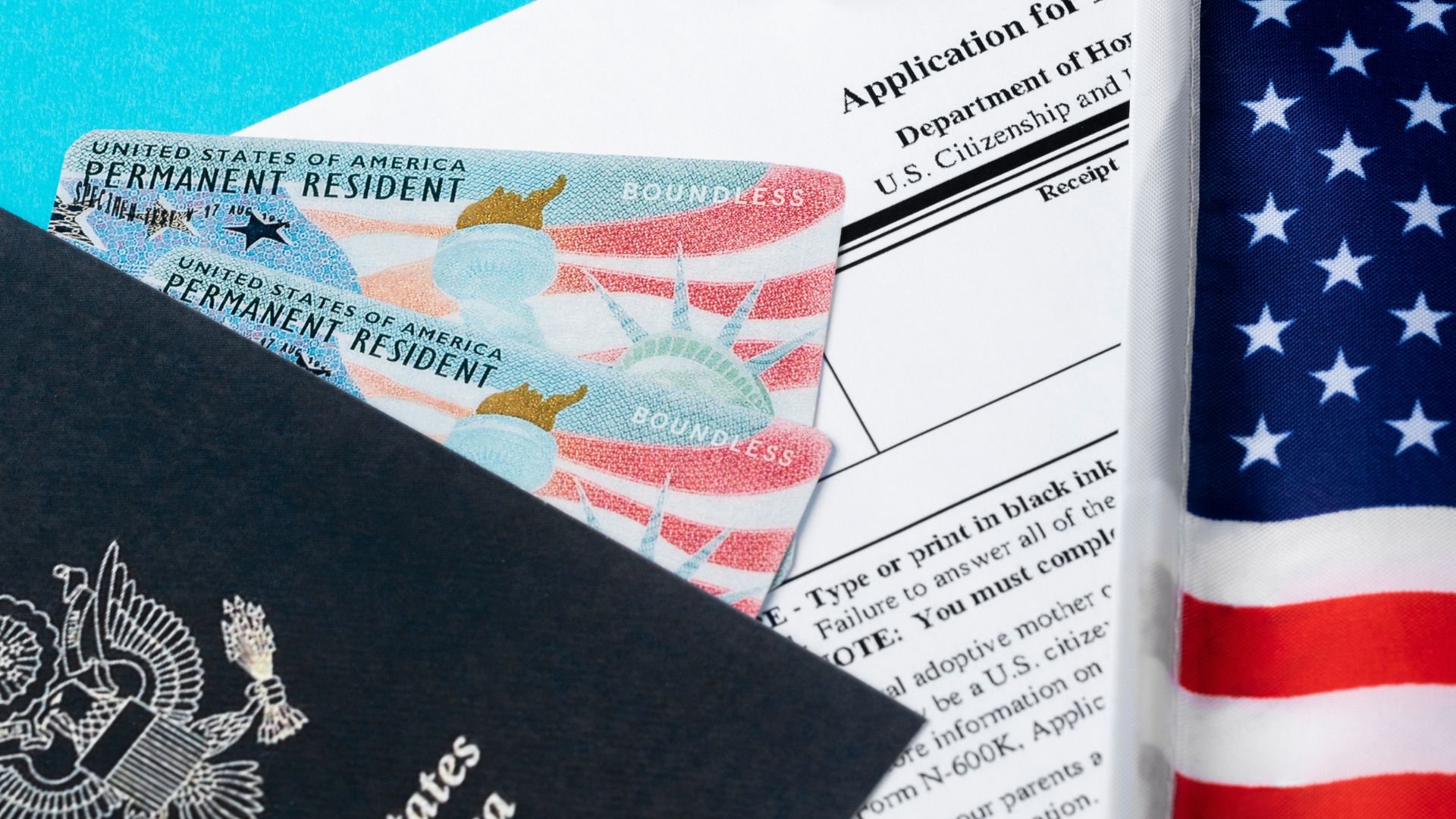
The EB-1A visa, often dubbed the “Einstein Visa,” is designed for individuals who are at the very top of their game in fields such as science, arts, education, business, or athletics. To qualify, an applicant must demonstrate extraordinary ability through sustained national or international acclaim, with recognition reflected in the field of expertise.
This recognition is assessed in a two-tier process:
1. Initial Evidence: Provide documentation of either:
- A one-time major award, such as a Nobel Prize, Oscar, or Olympic medal, or
- At least three out of ten specific criteria, which can include things like media coverage, membership in exclusive associations, judging others’ work, significant contributions, high compensation, authorship, exhibitions, and more.
2. Final Merits Determination: Beyond ticking boxes, USCIS conducts an overall evaluation of whether the evidence collectively shows genuine, sustained excellence, meaning that meeting the criteria doesn’t automatically guarantee approval.
On top of that, applicants must show intent to continue working in their field of extraordinary ability upon arrival in the U.S., and that their continued presence will substantially benefit the country. However, one major advantage of the EB-1A visa is that it allows self-petitioning, so no employer sponsorship or labor certification is needed.
While the EB-1A is built for individuals with extraordinary achievements across a wide range of fields, the EB-1B sets its focus more narrowly on academic excellence. Let’s take a look at the requirements for the EB-1B visa.
Requirements for the EB-1B Visa

The EB-1B visa, geared toward internationally recognized outstanding professors and researchers, is employer-sponsored and also bypasses the labor certification process. To be eligible, an applicant must meet these core requirements:
- International recognition for outstanding achievements in a specific academic field
- At least three years of teaching or research experience in that academic area
- A job offer from a U.S. institution, which can be a tenure or tenure-track teaching role, or a permanent research position at a university or private employer with at least three full-time researchers.
Beyond those basics, applicants must satisfy at least two of the following six evidentiary criteria:
1. Major awards for outstanding academic achievement
2. Membership in associations that demand outstanding accomplishments
3. Published material by others about the applicant’s work
4. Serving as a judge or panelist, evaluating others in the field
5. Original scholarly or scientific contributions of significance
6. Authorship of scholarly books or articles in internationally circulated journals
While meeting these criteria is essential, USCIS also evaluates the quality and significance of the evidence to determine if the applicant truly stands out as “internationally recognized.”
Ultimately, the EB-1B is designed to recognize individuals whose work has made a lasting impact in their field, ensuring that only those with genuine international distinction qualify.
Although the EB-1A and EB-1B serve different groups of high achievers, they also share some important similarities that make both attractive options for Green Card seekers.
EB-1A vs EB-1B: Similarities
When comparing EB-1A vs EB-1B, it’s important to consider how these two options are similar. Though these visas target different kinds of high achievers, they share some core advantages that make both paths compelling for securing U.S. permanent residency.
- No Labor Certification Required: Both categories bypass the lengthy PERM labor certification process, providing a faster and smoother application route compared to many other employment-based visas.
- USCIS Focus on High Achievement: Both visas demand a strong track record of outstanding accomplishments and credibility in the applicant’s field. Whether through publications, awards, or letters of recommendation, the quality of your evidence carries significant weight.
- Similar Documentation Needed: The materials used to support applications, such as recommendation letters, published work, and evidence of peer recognition, are largely the same for both EB-1A and EB-1B. This overlap simplifies preparation if someone qualifies for both.
- Quality Over Quantity: While ticking off specific criteria is necessary, USCIS makes a final merits determination to evaluate the overall strength and consistency of an applicant’s case. Not all criteria are weighted equally; cohesive, persuasive evidence matters most.
These shared foundations show why both EB-1A and EB-1B consistently stand out as premier immigration options. As there’s no rule against filing multiple immigrant petitions in parallel, you can apply for both EB-1A and EB-1B visas at the same time. In fact, this is a strategy many choose to increase their chances of success.
While the EB-1A and EB-1B share several core features, the distinctions between them are equally important to understand, especially when deciding which path best matches your qualifications.
EB-1A vs EB-1B: Differences
When comparing EB-1A vs EB-1B, several crucial differences stand out; differences that can make one path a better fit than the other depending on your field, goals, and employment status.
Here are the key differences that distinguish each of these visas:
1. Sponsorship & Petitioning
- EB-1A: Allows self-petitioning, meaning you don’t need an employer to file on your behalf. This makes it ideal for independent professionals.
- EB-1B: Requires employer sponsorship. A U.S. university or research institution must file the petition and offer a permanent teaching or research position.
2. Proof Standard and Evidence Required
- EB-1A: Requires evidence of extraordinary ability, demonstrated via a one-time major award or meeting at least 3 of 10 USCIS-defined criteria. It’s a high bar to meet.
- EB-1B: Requires meeting only 2 of 6 academic-focused criteria, and typically has a lower proof standard compared to EB-1A.
3. Experience Requirements
- EB-1A: No minimum work experience required, as it focuses purely on achievement, not years on the job.
- EB-1B: Requires at least 3 years of teaching or research experience in your field.
4. Flexibility & Career Commitment
- EB-1A: Highly flexible. Since it doesn’t tie you to an employer, you can pivot roles or industries, so long as you remain in your field.
- EB-1B: More restrictive. Your employer’s petition means you’re expected to work for them in the offered academic or research role, at least initially.
Choosing between EB-1A and EB-1B often boils down to career profile and independence. If innovation, independent achievement, and freedom appeal more, EB-1A might be the route. If your strengths lie in academic research backed by an institution, EB-1B could be your path.
Unsure which category aligns with your achievements? The Law Offices of Sweta Khandelwal can guide you in choosing the right path and ensure every form and supporting document is thoroughly prepared for a strong application.
While eligibility requirements and sponsorship needs set the EB-1A and EB-1B apart, another important consideration for applicants is how long each petition may take to be processed.
EB-1A vs. EB-1B: Processing Times

Because both EB-1A and EB-1B petitions fall under the same first-preference employment-based category, the law does not assign different timelines to each.
That said, actual processing can still vary depending on which USCIS service center is handling the case and how heavy its workload is at the time. On average, applicants can expect the I-140 petition to take about eight months to be reviewed.
Understanding Priority Dates
For most employment-based green cards, applicants must monitor their priority date, the date their petition was filed, to know when a visa number becomes available. Once the priority date is “current,” applicants can move forward with either adjustment of status (if already in the U.S.) or consular processing (if abroad).
Generally, EB-1 petitions enjoy the advantage of being current, which allows individuals to proceed without delay once their I-140 is approved. However, backlogs have historically impacted applicants from high-demand countries such as India and China, creating longer wait times.
Expedited Review Options
To reduce waiting, USCIS offers premium processing for an additional fee. This optional service guarantees that the I-140 petition will be processed within 45 calendar days rather than the standard eight months.
Either the petitioner or the sponsoring employer may pay this fee. If USCIS misses the deadline, the premium fee is refunded, though such delays are rare.
By understanding standard timelines, priority dates, and premium processing choices, EB-1 applicants can better plan their green card journey and minimize delays.
While EB‑1A and EB‑1B offer premier pathways for top talent, some applicants may also consider the EB‑2 National Interest Waiver (NIW) as a complementary option, especially when planning a long-term strategy or facing visa backlogs.
Why EB-2 NIW Might Complement Your EB-1A Journey

When planning your immigration path, it’s smart to think not just about where you stand now, but where you want to be in the future. Here’s why pairing an EB-2 NIW with EB-1A could be a smart strategy.
How EB-2 NIW & EB-1A Pair Well:
- Both allow self-petitioning: Similar to EB-1A, the EB-2 NIW doesn’t require employer sponsorship, offering flexibility and independence.
- Lower evidentiary bar, yet strategic advantage: EB-2 NIW focuses on work that has substantial merit and national importance, evaluated under a three-prong test: your endeavor’s value, your position to advance it, and the benefit of waiving labor certification. These criteria are generally less stringent than EB-1A’s “extraordinary ability” standard.
- Secure a priority date early: Filing EB-2 NIW can lock in your place in the immigration queue. Later, if you meet EB-1A’s higher criteria, you may retain this date for your new petition. This is especially valuable for applicants from countries with long wait times.
Smart Strategy for Applicants Facing Backlogs
- If your current profile doesn’t fully satisfy EB-1A’s tough standard, EB-2 NIW lets you get into the system sooner.
- Use the waiting time to strengthen your EB-1A case (publish more, gain recognition, build citations).
- Once EB-1A is ready, file it and keep the earlier EB-2 NIW priority date, as this may significantly reduce delay.
Many professionals, especially those from high-demand countries, use this dual-filing strategy to hedge risks, keep timelines shorter, and retain flexibility while building their credentials. The EB-2 NIW offers a practical fallback and fast-track opportunity for applicants working toward EB-1A.
But, before you decide on a path, it’s important to weigh key factors that can impact eligibility, timeline, and long-term goals.
Also read: Understanding EB-2 NIW: Key Prongs Explained
What to Consider Before Choosing
Choosing between EB‑1A, EB‑1B, or even including EB‑2 NIW is more than just checking boxes; it requires careful evaluation of your career, achievements, and long-term goals. Here are some key factors to weigh before deciding which route to pursue:
1. Eligibility and Career Profile: EB‑1A favors individuals with extraordinary achievements across multiple fields, while EB‑1B is tailored to academics and researchers with at least three years of experience. EB‑2 NIW, on the other hand, has a lower achievement threshold but requires your work to have national importance. Understanding where your credentials fit best is essential.
2. Sponsorship Requirements: EB‑1A and EB‑2 NIW allow self-petitioning, offering independence and flexibility, whereas EB‑1B requires employer sponsorship. This can affect not only your control over timing but also who covers filing fees and supporting documentation.
3. Processing Times and Priority Dates: While EB‑1 visas generally enjoy current priority dates, applicants from high-demand countries like India or China may face backlogs. EB‑2 NIW filings can secure an early priority date, which can later be retained if filing EB‑1A, potentially speeding up overall processing.
4. Long-Term Plans and Flexibility: Consider your future career moves. EB‑1A allows more flexibility since it’s not tied to an employer, while EB‑1B ties you to a sponsoring institution. EB‑2 NIW offers a strategic fallback if your profile is still developing.
5. Costs and Documentation: Filing fees, premium processing options, and the effort to gather supporting evidence vary between categories. Ensure you understand the investment required for each path.
Carefully reviewing these factors will help you make an informed decision, aligning your visa strategy with both current achievements and future aspirations.
Still deciding between EB-1A or EB-1B, or need guidance on strengthening your petition? Connect with Sweta Khandelwal for trusted support in navigating your options.
Conclusion
Choosing between EB-1A and EB-1B isn’t just about meeting the eligibility criteria; it’s about finding the path that best aligns with your achievements, goals, and long-term immigration strategy. Think of this as more than just a checklist; it’s about telling the strongest version of your professional story.
While research and preparation go a long way, the nuances of immigration law mean there’s rarely a one-size-fits-all answer. Don’t try to navigate these decisions alone. Talking to an experienced immigration attorney can save you time, avoid costly mistakes, and ultimately give you the confidence that you’re on the right track.
Contact the Law Offices of Sweta Khandelwal for trusted support. From evaluating your eligibility to building a strong petition, The Law Offices of Sweta Khandelwal are here to help. Consult Sweta Khandelwal and move forward with confidence.
FAQs
1. Can spouses and children apply for a green card along with EB‑1A or EB‑1B petitioners?
Yes. Derivative visas (E‑14 for spouses and E‑15 for unmarried children under 21) allow family members to obtain permanent residency alongside the primary applicant.
2. Can I switch from EB‑1B to EB‑1A after filing?
Yes, if you later meet EB‑1A’s extraordinary ability criteria, you can file a new I‑140 petition under EB‑1A. The original EB‑1B petition does not prevent switching categories.
3. Do EB‑1A or EB‑1B visas require maintaining employment in the U.S. after approval?
While EB‑1B is tied to the sponsoring employer initially, EB‑1A allows flexibility. After receiving a green card, there’s generally no strict requirement to stay with a particular employer, though intent to work in your field is considered.
4. Can international publications and awards from my home country count toward EB‑1 eligibility?
Yes. USCIS recognizes internationally published work, awards, or recognition from credible organizations, as long as the evidence demonstrates significant impact in your field.
5. How often does USCIS update EB‑1 processing times and visa bulletin dates?
Processing times are updated monthly on the USCIS website, while visa bulletin dates are released monthly by the U.S. Department of State, reflecting availability and backlogs for different countries.


